

A new era of interdisciplinary research: UW Radiology welcomes the SAIL Lab
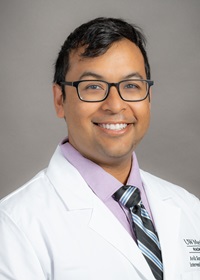
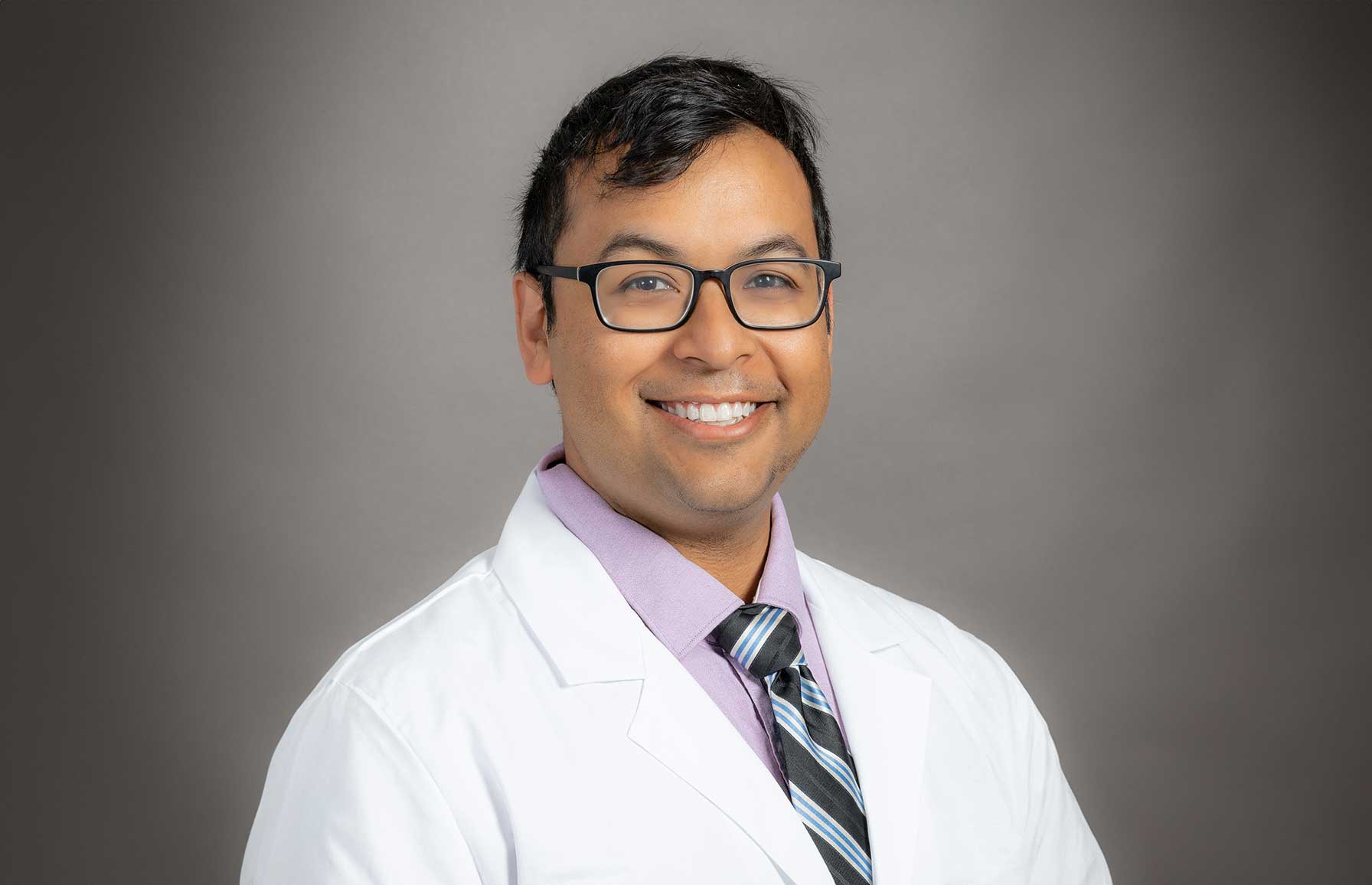
UW Radiology, in partnership with the College of Engineering and the Department of Materials Science & Engineering, is excited to announce the opening of the Som Advanced Interventions Laboratory (SAIL) under the leadership of assistant professor of radiology and assistant professor of materials science and engineering Avik Som, MD, PhD. As an interventional radiologist, Dr. Som utilizes medical imaging to guide minimally invasive procedures, treating complex diseases through endovascular catheters rather than endoscopic or open surgical methods. This expertise provides a unique research perspective and allows for in-suite development of advanced drug delivery and radio-opaque materials to improve localized therapy.
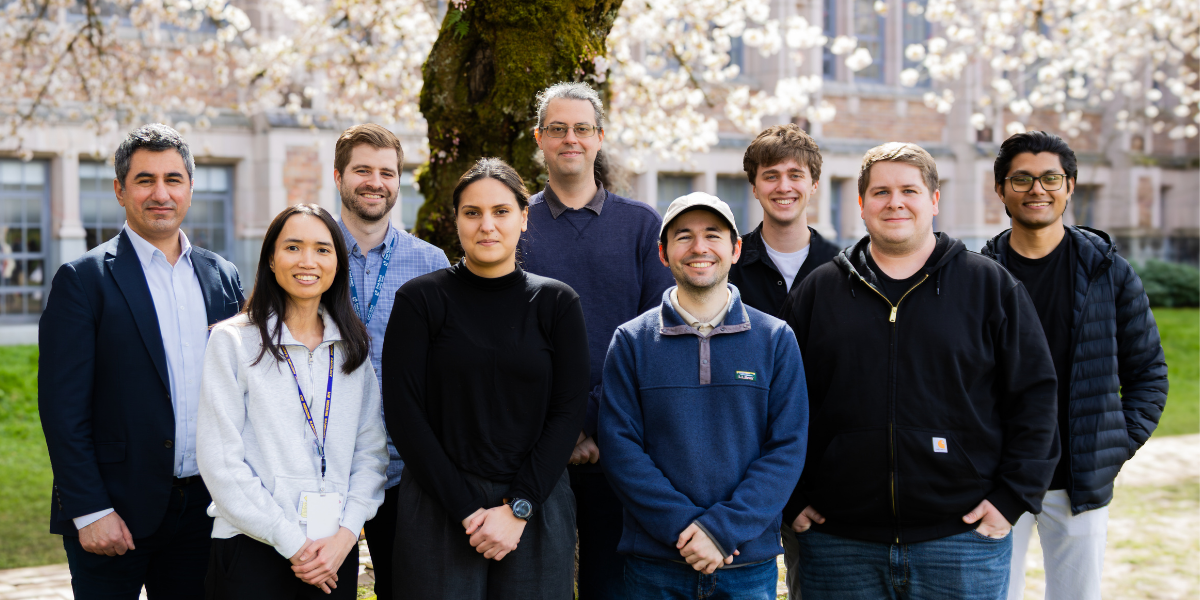
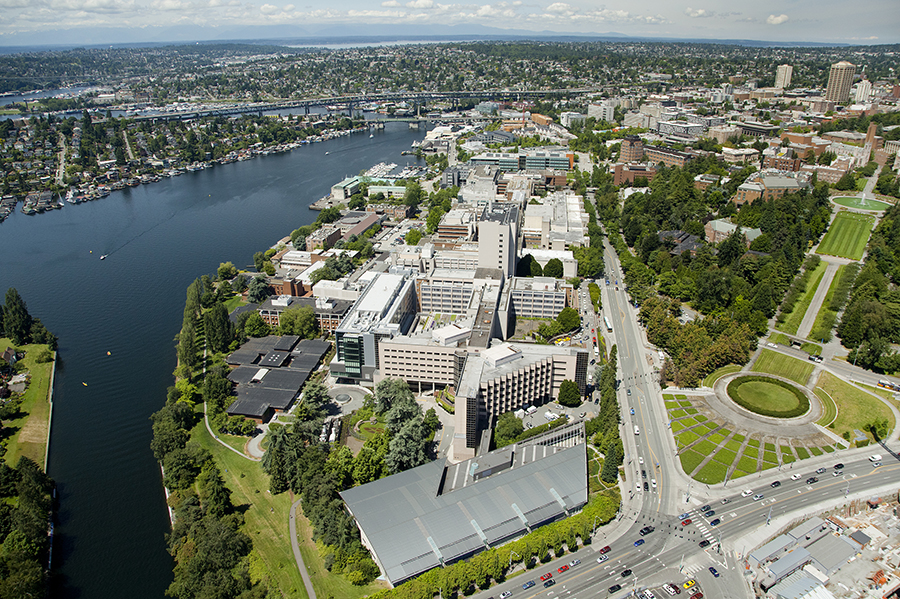
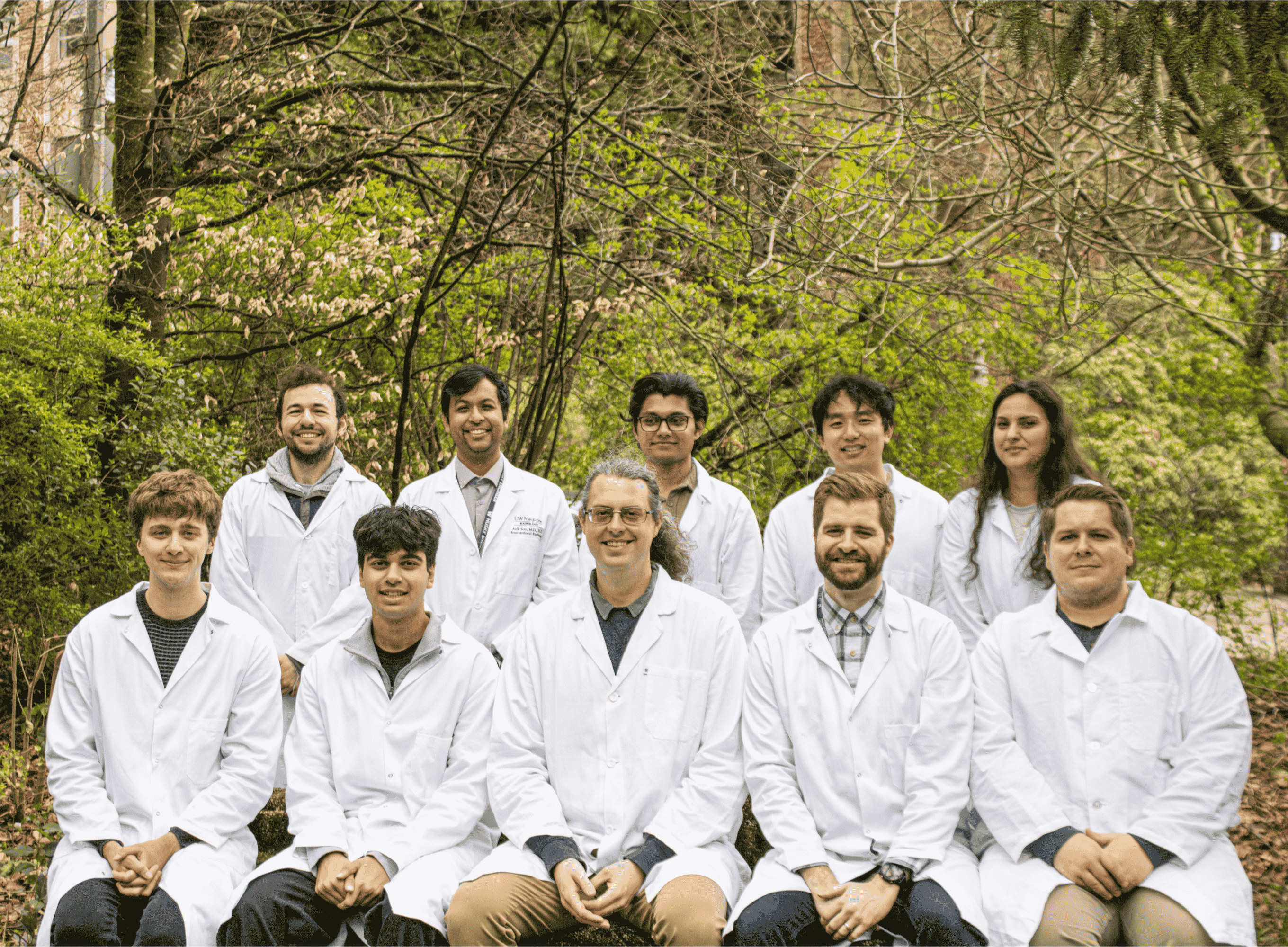
The laboratory start-up was spearheaded by lab manager and postdoctoral researcher Daniel Lane, PhD, with considerable assistance from the entire team, including facilities manager and master’s student Carter Beamish; PhD students Chris Marx and Lakshman Vijay; and master’s students Daniel Gugig, Katrina Poljakov and Jasper Gray. After a comprehensive overhaul of existing spaces, they transitioned the dormant labs in Wilcox Hall into a three-part engineering, chemical, and biological research suite fully approved for biosafety level two work.
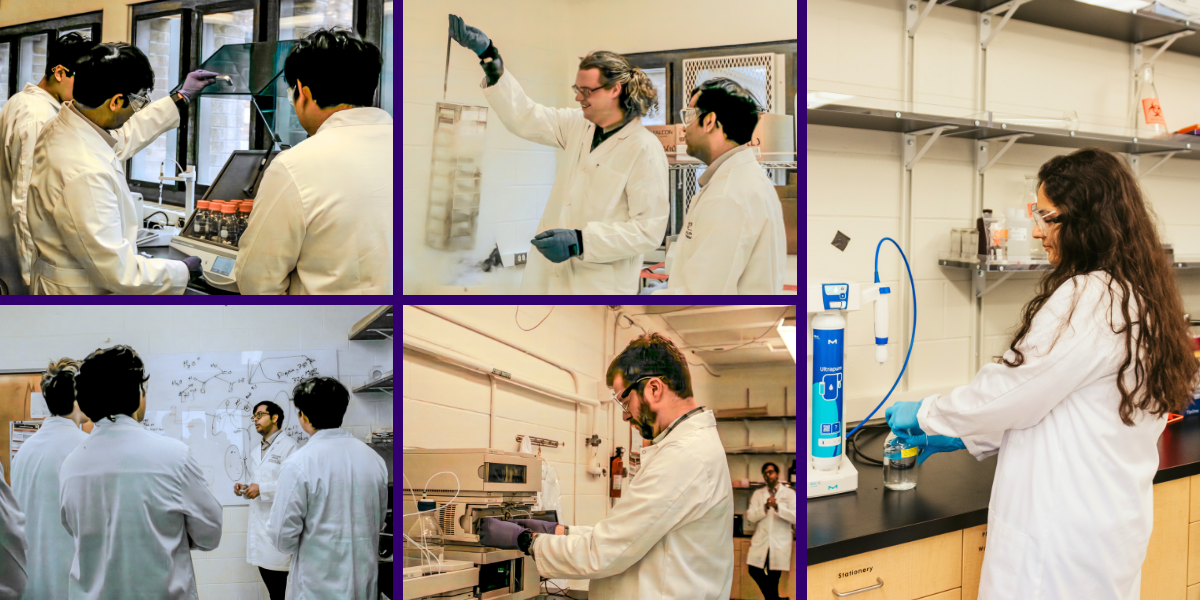
The establishment of the lab was a commitment to financial and environmental sustainability, institutional integration, and laboratory safety. Although the spaces in Wilcox were vacated three years ago by a long-term research group, they offered both promise and treasure. Much of the older abandoned equipment was repaired and sterilized for use. Moreover, the team leveraged their industrial connections to acquire several instruments, such as a high-performance liquid chromatography system, at a fraction of their used-market prices.
By breathing new life into such equipment, the team has developed a professional research environment that maximizes the utility of its resources. After an extensive overhaul, the rooms were finished into comprehensive research spaces in partnership with UW’s Environmental Health and Safety team. The lab is now pioneering highly translational research that leverages an interventional radiologist’s ability to reach any part of the body in minimally invasive ways. The capabilities of the lab include intratumoral and intra-arterial drug delivery, cancer biology, gene delivery, tissue engineering, and image guided therapeutics.
With the lab completed, the team rapidly expanded to >20 students and staff consisting of Dr. Som, Dr. Lane, four residents, three PhD students (soon to be four!), four master's students, and 12 medical students and undergraduates. This team’s current research stems from Dr. Som’s clinical expertise as well as both commercial and academic partnerships with a focus on high-impact oncology applications.
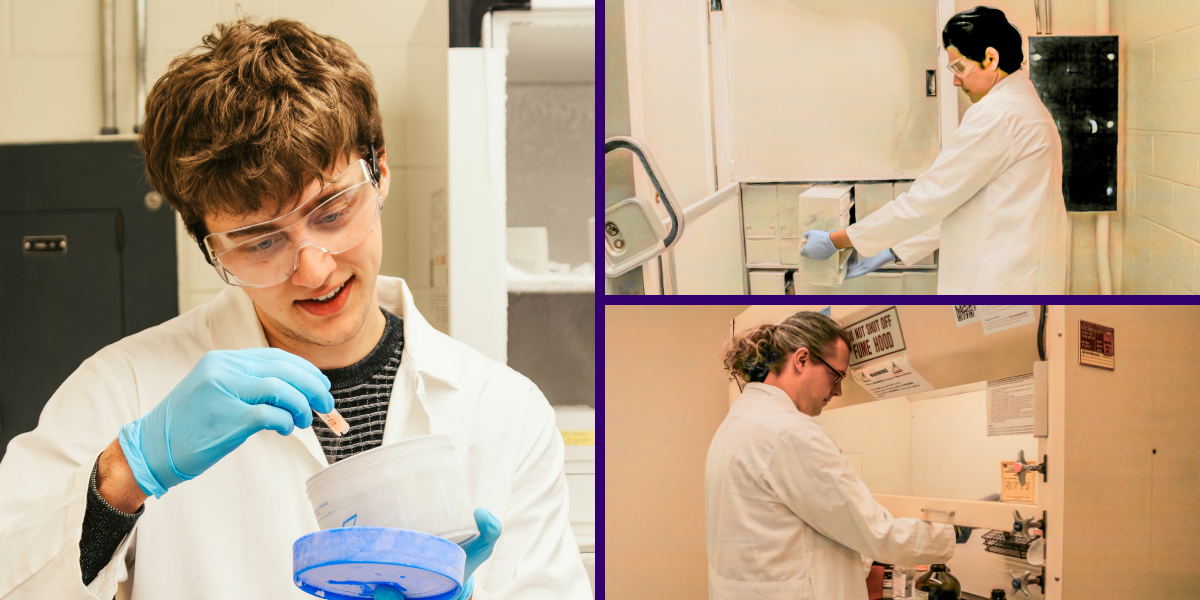
Key projects are ImmunoBone, a novel bone cement platform engineered to deliver targeted immunotherapy directly to bone metastases; NanoARM, which utilizes competitive apoptosis to propagate therapeutic genes within solid tumors; DigiEmbo, a targeted embolic drug delivery technology and finally, the developing the technology to preserve and utilize a repository of UW Radiology’s patient biopsies for high sensitivity ex-vivo assays for immunological, oncosupressive, and structural profiles impossible in non-human systems.
Staying true to the cross-departmental nature of the lab, the team is incorporating techniques from the UW’s semiconductor and battery materials facilities including the Molecular Analysis Facility, Washington Nanofabrication Facility, and the Washington Clean Energy Testbeds, to create tunable drug-releasing microparticles.
In addition to engineering research, drawing on Dr. Som’s background in several startups, the lab has a dedicated "Entrepreneurs in Residence" program. Monthly strategic sessions with his colleagues Blake Marggraff and Evan Huang, both Co-founders of Robot Health, and Joe McDonald, MBA., COO of Woven Home Care provide the team with the industry guidance necessary to navigate the complexities of commercialization. Other direct collaborators include Dr. Miqin Zhang, Dr. Som’s faculty mentor, and Dr. David Hockenbery, whose expertise in cancer biology is key in their genetic approach to cancer therapy.
UW and the Seattle area’s academic community have been instrumental in achieving the lab’s early milestones. In less than a year, SAIL has established a robust ecosystem of partnerships with the Seattle Children’s Hospital, Fred Hutchinson Cancer Center and industry leaders. The lab has developed affiliations with the Institute for Stem Cell and Regenerative Medicine, the Molecular Engineering and Science Institute, the Institute for Nano-Engineered Systems and UW Medicine South Lake Union research labs.
SAIL is also thrilled to organize quarterly research happy hours to bring departmental, industry and other collaborators together. This atmosphere is designed to foster both formal research and informal engagement, ensuring that the next generation of medical breakthroughs is built on a foundation of community and shared expertise.