




Menu
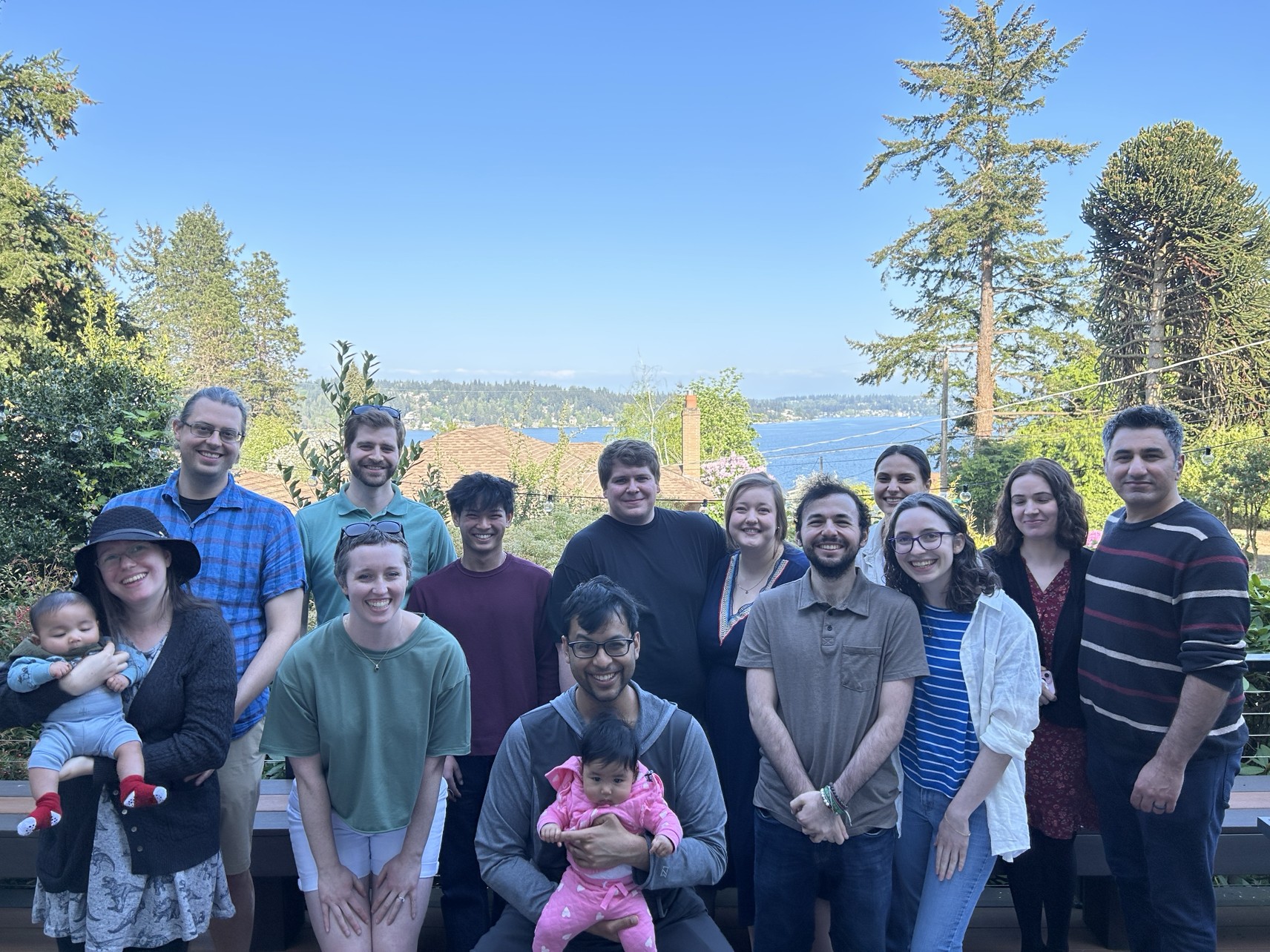
A collaboration of the School of Medicine and Engineering, the SAIL group serves as a meeting point of clinicians and engineers to bring advances in cutting edge materials science and engineering to the clinical practice in interventional radiology, and in particular, interventional oncology.
What is Interventional Oncology?
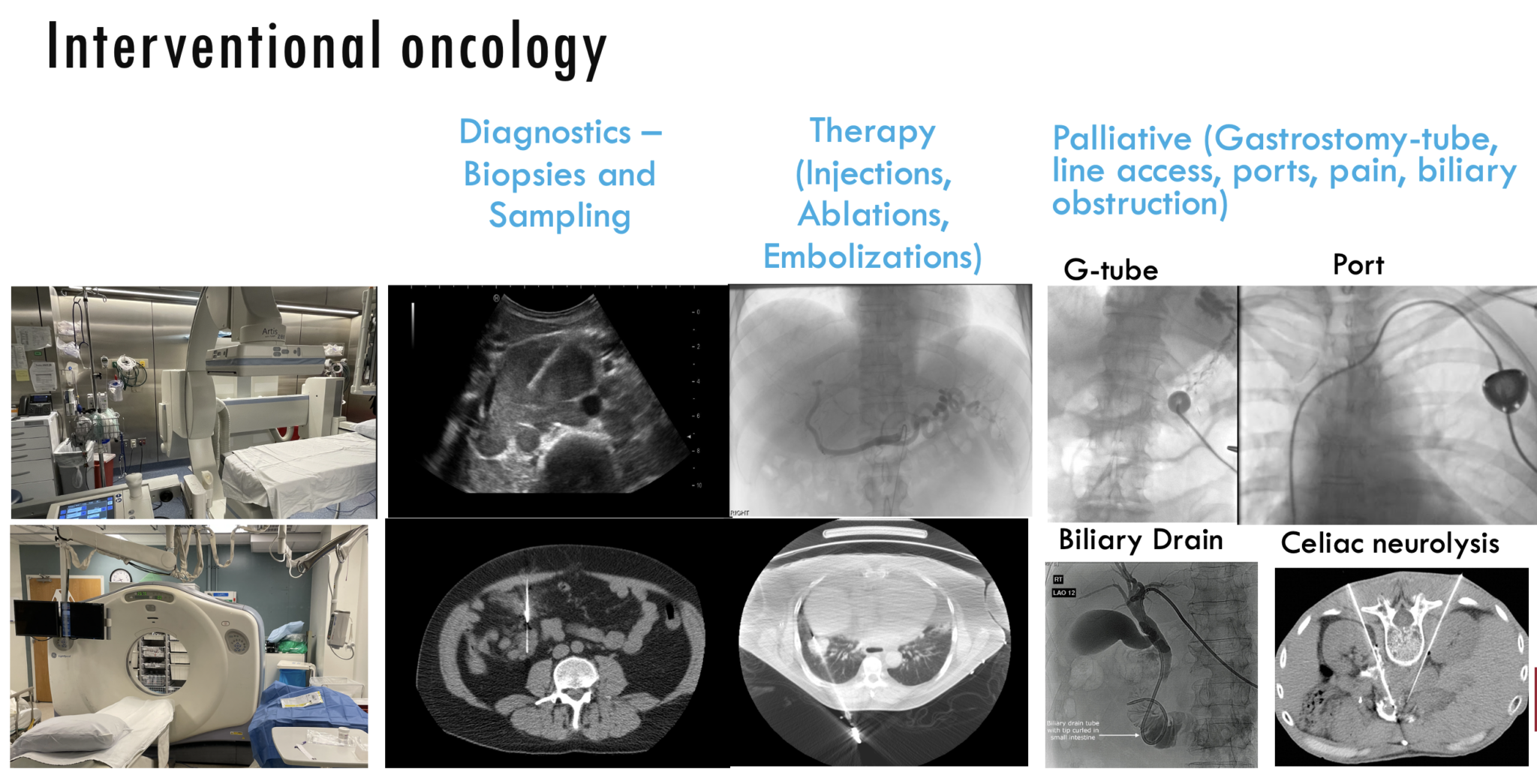
A subset of Interventional Radiology, interventional oncology focuses on using image guidance to diagnose, treat cancer (via ablation, or embolization), provide durable vascular access, and to palliatively treat symptoms occurring from the cancers themselves such as biliary obstruction or enteric feeding.
people
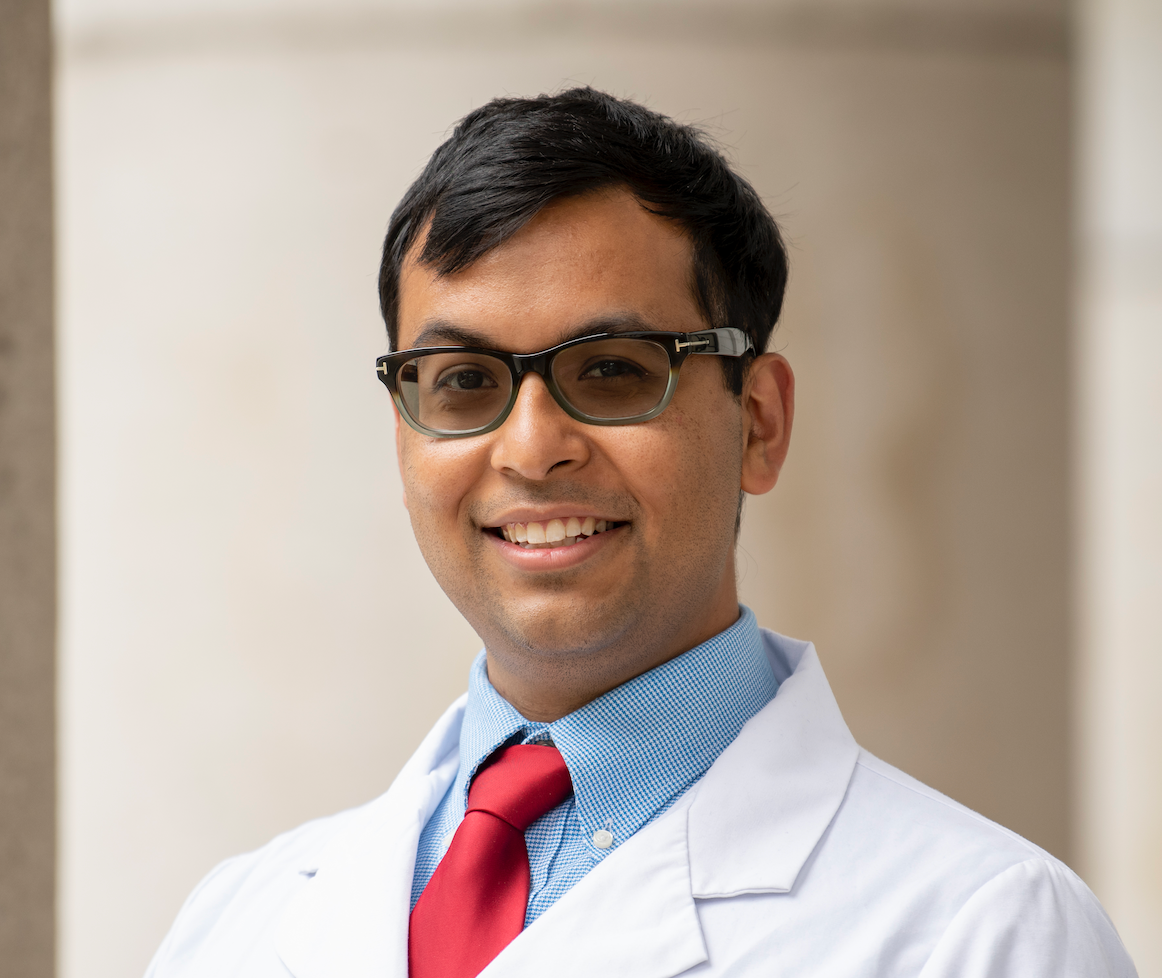
Avik Som, MD, PhD is an Assistant Professor of Radiology (Division of Interventional Radiology), and Material Science Engineering. He completed his B.Sc in Biomedical Engineering at the Johns Hopkins University and then completed a combination MD/PhD training at Washington University in St. Louis. His PhD work was under Dr. Samuel Achilefu focused on developing novel calcium carbonate nanoparticles to change tumor pH. At the same time he has had a long history of pursuing bio-entrepreneurship. As a medical student, helped found a biomedical incubator, Sling Health, and spun out a digital health company (Epharmix, later CareSignal Health) focused on value based health.
After medical school, Dr. Som completed an integrated residency in interventional and diagnostic radiology at the Massachusetts General Hospital. While there he did simultaneous post-doctoral training with Robert Langer and C. Giovanni Traverso at the Massachusetts Institute of Technology with work focused on creating image guided drug delivery for novel cancer immunotherapy, work translated commercially to Absco Therapeutics.
At SAIL, Dr. Som leads the translation of novel material science advances for applications in interventional radiology based on his clinical practice, with a focus on novel cancer therapeutics, tissue engineering, and device development. The goal of the lab is to generate new technologies inspired by the clinic and brought back to treat our patients.
what we do
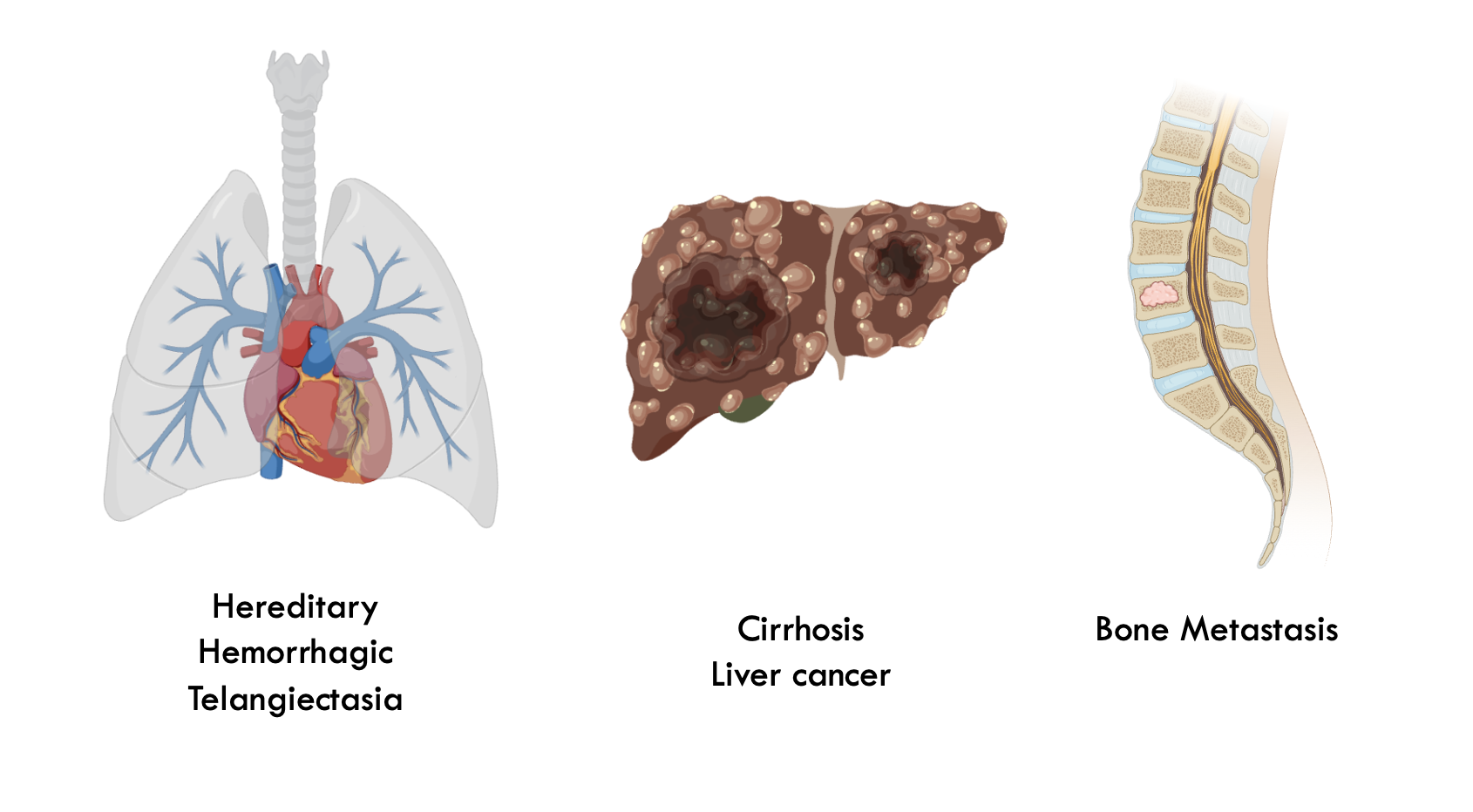
The lab innovates for the patients we treat, with a focus on cancer, liver disease, bone metastasis and hereditary hemorrhagic telangiectasia.
Intratumoral Immuno-oncology – As interventional radiologists, we can see cancer non-invasively from radiological imaging, and as a part of that we can biopsy or deliver therapies (heat, cold, alcohol, radiation, chemotherapies) to treat those cancers. Rarely, we can see an “abscopal” effect, where our therapy induces an effect distantly, i.e. treating metastasis. In the era of immunotherapy, our goal has been to create an in situ cancer vaccine that could teach the body that what we see radiologically is cancer, and use that anatomic information to teach the body’s primary defense, the immune system, what cancer is for that particular patient.
Our work resulted in ImmunoGel, published in Advanced Healthcare Materials, and is currently being commercialized by Absco Therapeutics for parenchymal treatment in the liver, lung, etc.. At SAIL, we build on this seminal work by looking at ways to ensure all cancers can be treated, including highly vascular, osseous or lymphatic lesions.
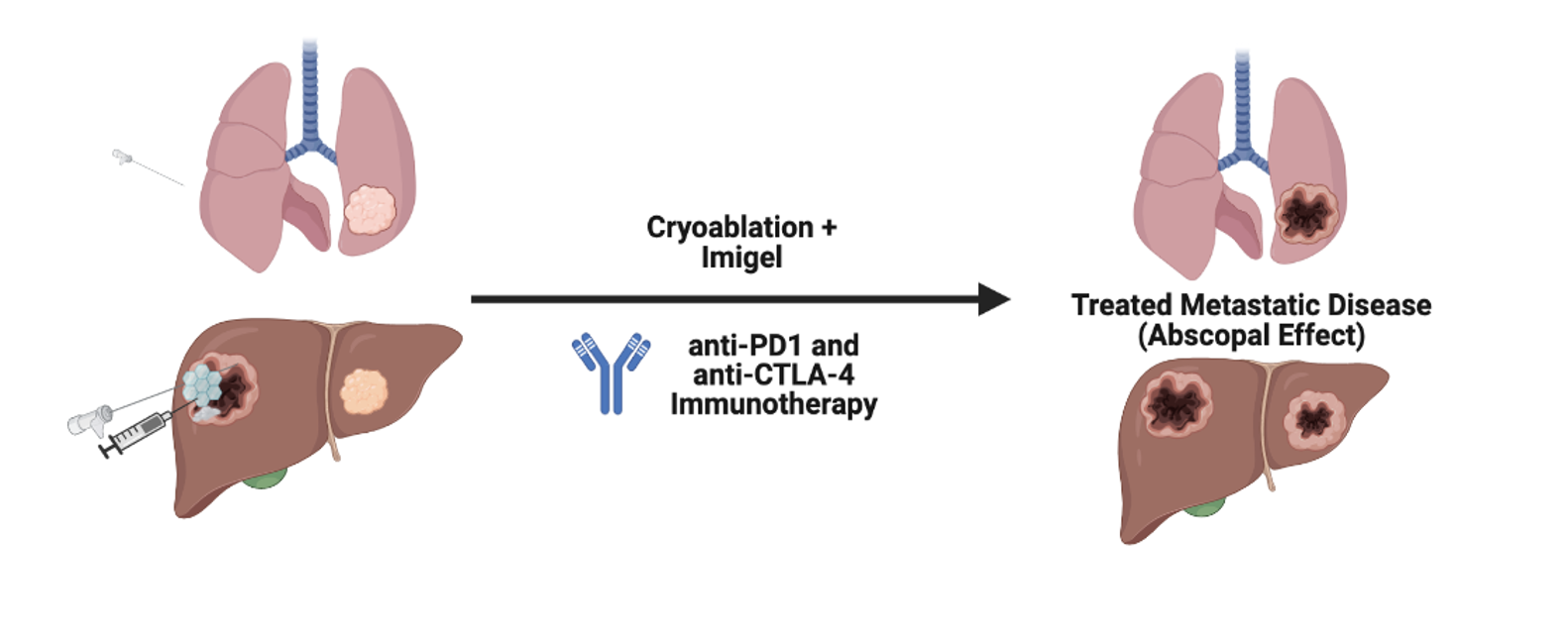
Intratumoral Immunoadjuvant Gel Video
What we're currently working on:
Pre-Clinical
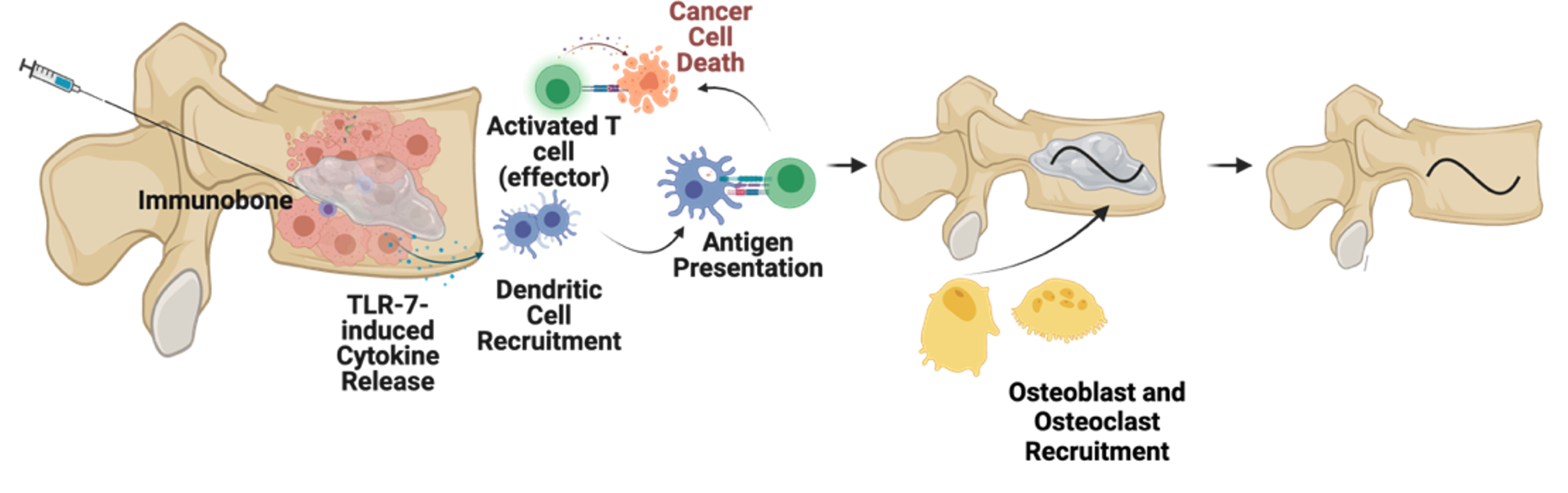
ImmunoBone
A bone cement platform that builds on ImmunoGel to induce immunotherapy and ability to deliver pulsatile immunoadjuvants to bone metastasis.
Locoregional Gene Therapy -
For oncology, in collaboration with the Hockenbery and Storfer Labs, our group is evaluating the ability to deliver genes to induce competitive apoptosis with non-viral and viral based delivery. Historically, gene therapy has struggled with poor penetration and conversion as well as systemic non-specific effects. Locoregional delivery combined with the Hockenbery and Storfer discovery of competitive apoptosis may allow for gene therapy to finally make an impact in cancer.
For pulmonary endovascular disease, such as HHT and pulmonary hypertension, we are exploring methods for endovascular drug and gene delivery, in collaboration with Dr. Sam Rayner.
Tissue Regeneration: In collaboration with the Miqin Zhang Laboratory, SAIL has been focused on developing regenerative approaches for patients in bone and liver, focused on combining cancer immunotherapy with post treatment tissue regeneration and recovery. With the Hinds laboratory, we have been exploring liver dialysis, and with other groups, exploring how to translate clinically advances in liver regeneration.
Clinical
UW/FHCC Interventional Radiology Bio-Banking Program - Every patient that undergoes a biopsy from the University of Washington has the opportunity to donate tissue for research at the time of their diagnostic biopsy providing a basis for future work in evaluating underlying immune therapy. This is in collaboration with the IIRC led by Dr. Lawrence Fong.
Intratumoral Therapy Program - We have an active clinical trial program at FHCC that enables testing of intratumoral therapies coming down the pipeline. This ranges the top of the line and latest advances and synergizes with our efforts to create the next generation of intratumoral therapies.
Capstone Device Development
Following a long tradition, SAIL supports advanced interventional design and development with sponsored engineering capstone teams. Teams in the past have developed new ways to address drain dislodgment, hydrodissection, among others. Students can participate in a course by Dr. Som or shadowing and take the MSE capstone course to participate in making the next generation of devices.
Publications
Join us, we're recruiting!
For all positions, please feel free to reach out directly to Dr. Avik Som at aviksom@uw.edu. To help all applicants, please do fill out this application here with some FAQs.
Post-Doctoral Fellows: Post-doctoral fellows are welcome, with particular backgrounds in engineering, immunology, biomedical and materials science highly valued. Post-docs with radiology backgrounds are also highly welcome. A Post-Doctoral fellowship at SAIL will be a launch pad to careers in academia or industry with a focus on interventional radiology and biomaterial sciences.
Radiology/ Interventional Radiology Residents: For resident physicians, SAIL provides a consulting opportunity where residents can be involved with teams of engineers to create novel inventions while maintaining clinical excellence in demanding residency. An experience with the lab can be highly valuable to those interested in eventual collaborations with industry and making new devices and technology. Please feel free to reach out directly to Dr. Avik Som at aviksom@uw.edu or catch him during clinical rotations to discuss.
MD/PhD or PhD Students: PhD students can pursue degree programs in materials science engineering and biomedical engineering. An education beginning at SAIL can be foundational to IR Research Science. PhD students can be co-advised as well for a full clinical and scientific experience.
Masters Students: SAIL is excited to work with masters students, particularly from Materials Science Engineering and Biomedical Engineering.
Medical Students: SAIL has a long track record of being part of the radiology research collaborative and combining clinical research and device research projects to enable students. Prior medical students have gone on to competitive residencies in radiology, IR, surgery, and medicine.
Undergraduate Students: SAIL can be a fantastic location to have an introduction to biomedical sciences, engineering, and medicine. Although applications are welcome throughout the year, we recruit undergraduates primarily in the spring quarter.
contact us
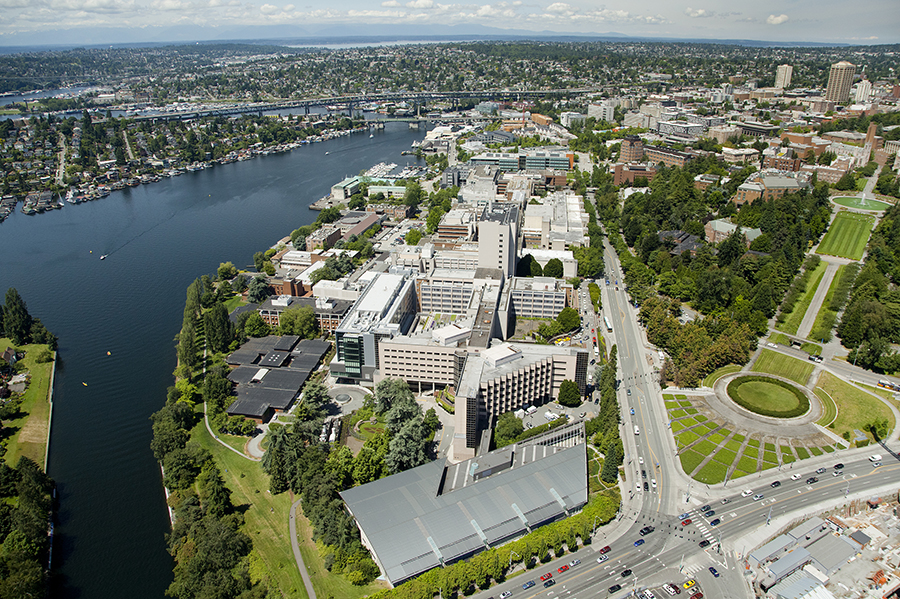
The SAIL group is located within the main campus of the University of Washington with research labs in Wilcox Hall. The lab is conveniently within walking distance to the UW Medicine Radiology Department.
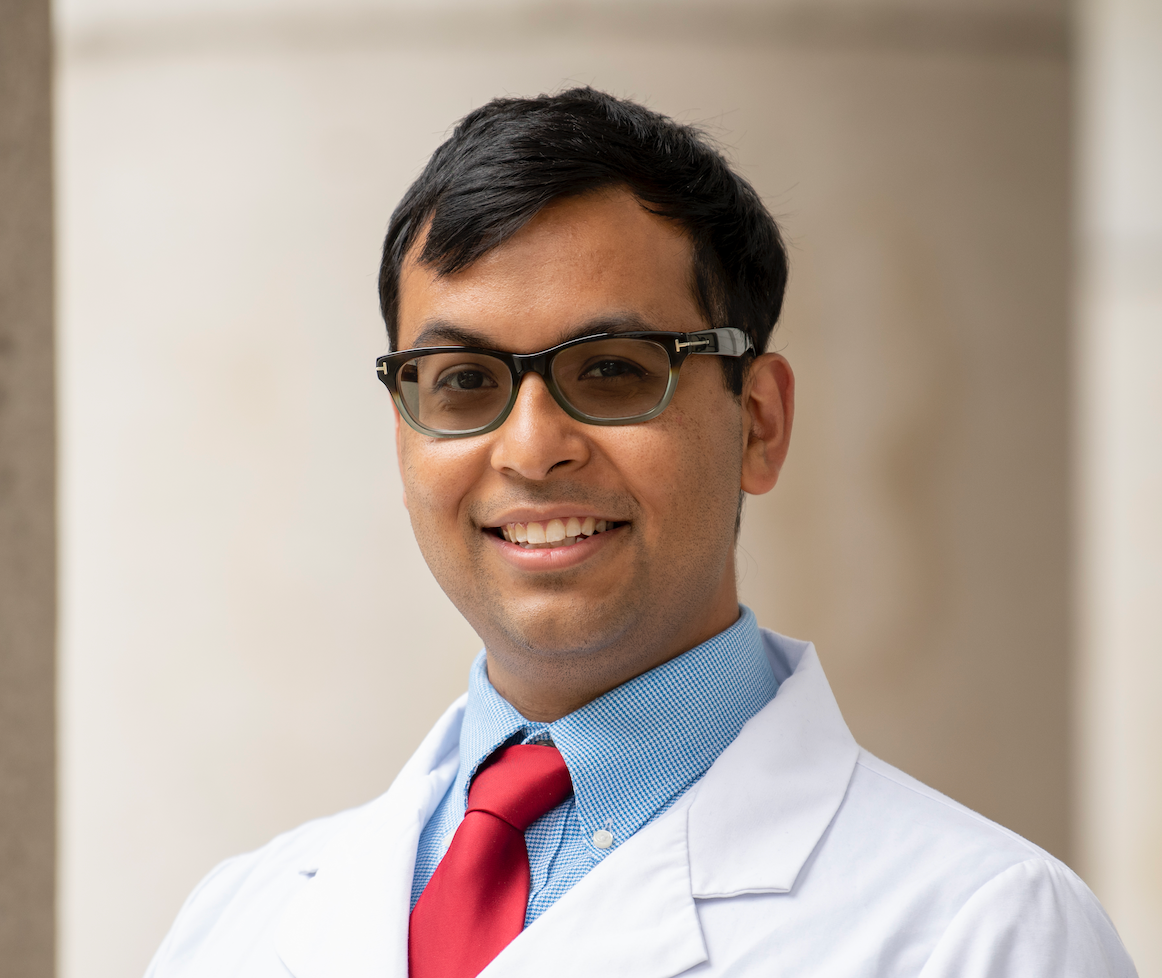
Avik Som, MD, PhD
Email: aviksom@uw.edu